Inside Our ComForCare Marlborough Pilot: AI Caregiver Coverage Calling in Action
We ran a hands-on pilot with ComForCare Home Care in Marlborough, MA. Here's what we built together — and why AI-driven caregiver coverage calling was the first problem worth solving.
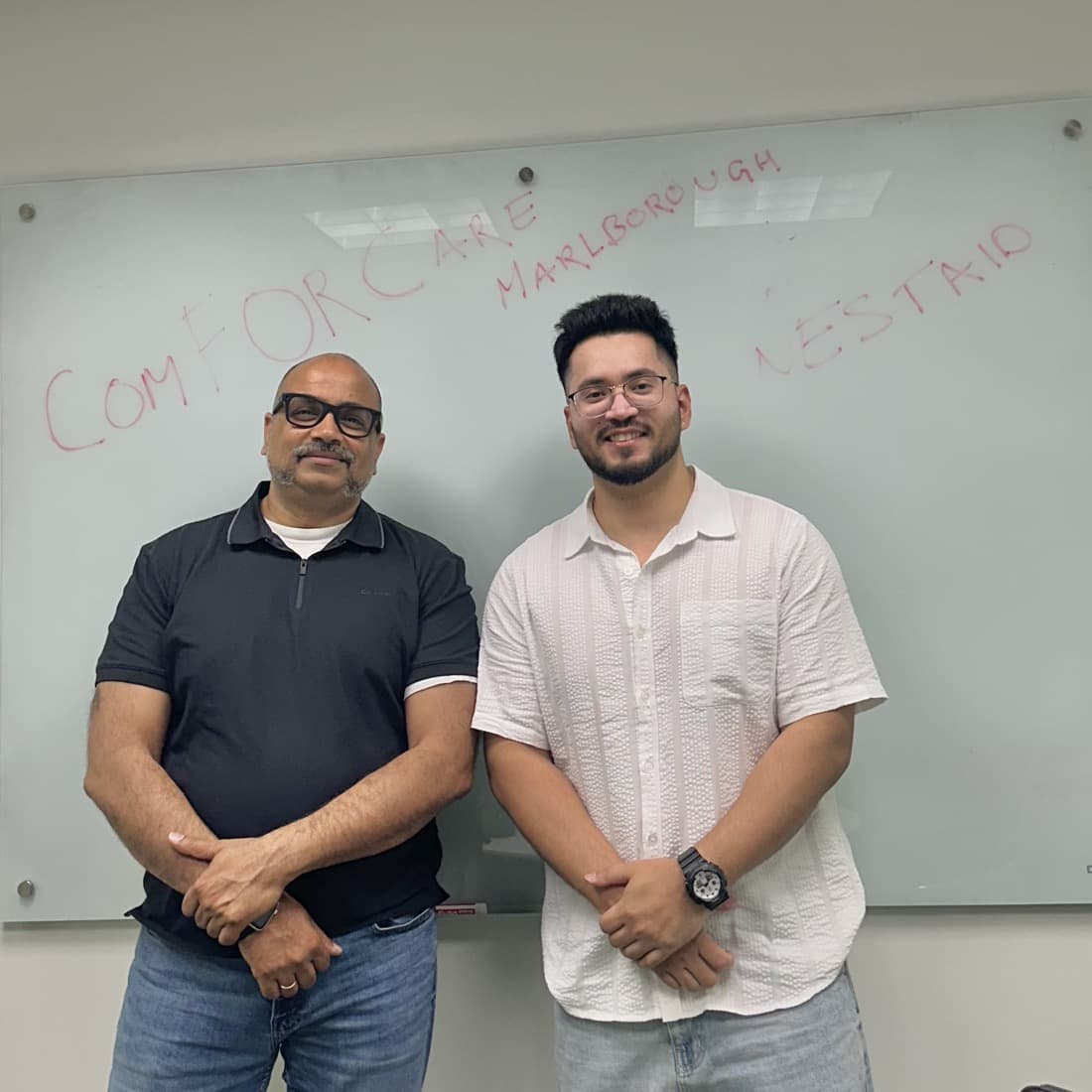
Last week we ran a hands-on pilot with ComForCare Home Care in Marlborough, MA, operated by Saurabh Moondhra. It was one of the most productive sessions we've had — we sat down together, walked through the real day-to-day of running the agency, and shipped against actual problems instead of a feature wishlist.
By the end of the session we had 5+ features in motion. But the one that mattered most — the problem worth solving first — was caregiver coverage calling.
The most immediate problem: coverage gaps
Every agency owner knows the moment. A caregiver calls out, a shift opens up, and now someone in the office has to drop everything and start working the phones — find who's qualified, who's available, who's likely to say yes, and call them one by one until the shift is filled.
For ComForCare Marlborough, like most agencies, this was the highest-friction, highest-stakes part of the day. It's manual, it's time-sensitive, and a missed fill means a client without care.
So that's where we started.
What AI caregiver coverage calling does
Instead of a coordinator manually running the playbook, the AI agent runs it:
- Identifies the gap the moment a shift opens or a caregiver calls out.
- Finds qualified, available caregivers — not just anyone with the right credential, but the people who actually fit the shift.
- Calls them in parallel over voice, confirms interest, and locks in the first caregiver who accepts.
- Closes the loop — updates the schedule and politely releases everyone else.
The coordinator goes from making the calls to reviewing a filled shift. That's the shift from software that watches the work to AI that does it. (We wrote about that distinction in home care scheduling software is broken — AI agents can fix the chaos.)
Why we solved this one first
Coverage calling is the problem that:
- Happens every day, often multiple times.
- Eats the most office time when it happens.
- Has the clearest, fastest payoff when automated.
Solving it first meant the value showed up immediately — not after a long rollout. The other features we lined up build out from there. For the deeper operational view, see how home care agencies can handle caregiver call-outs faster.
Thank you, Saurabh
A genuine thank you to Saurabh Moondhra and the ComForCare Marlborough team. The best product work happens shoulder-to-shoulder with operators who know exactly where the pain is — and Saurabh brought that clarity to every part of the session. Pilots like this are how Nestaid stays grounded in what agencies actually need.
What's next
We're continuing to roll out the rest of what we scoped together and measuring the impact on time-to-fill and coordinator hours. If you run a home care agency and want to see AI coverage calling on your own shifts, book a 30-minute demo or explore Nestaid's scheduling layer.
— Rahul Chettri, Founder, Nestaid
Written by
Rahul Chettri
Founder, Nestaid